
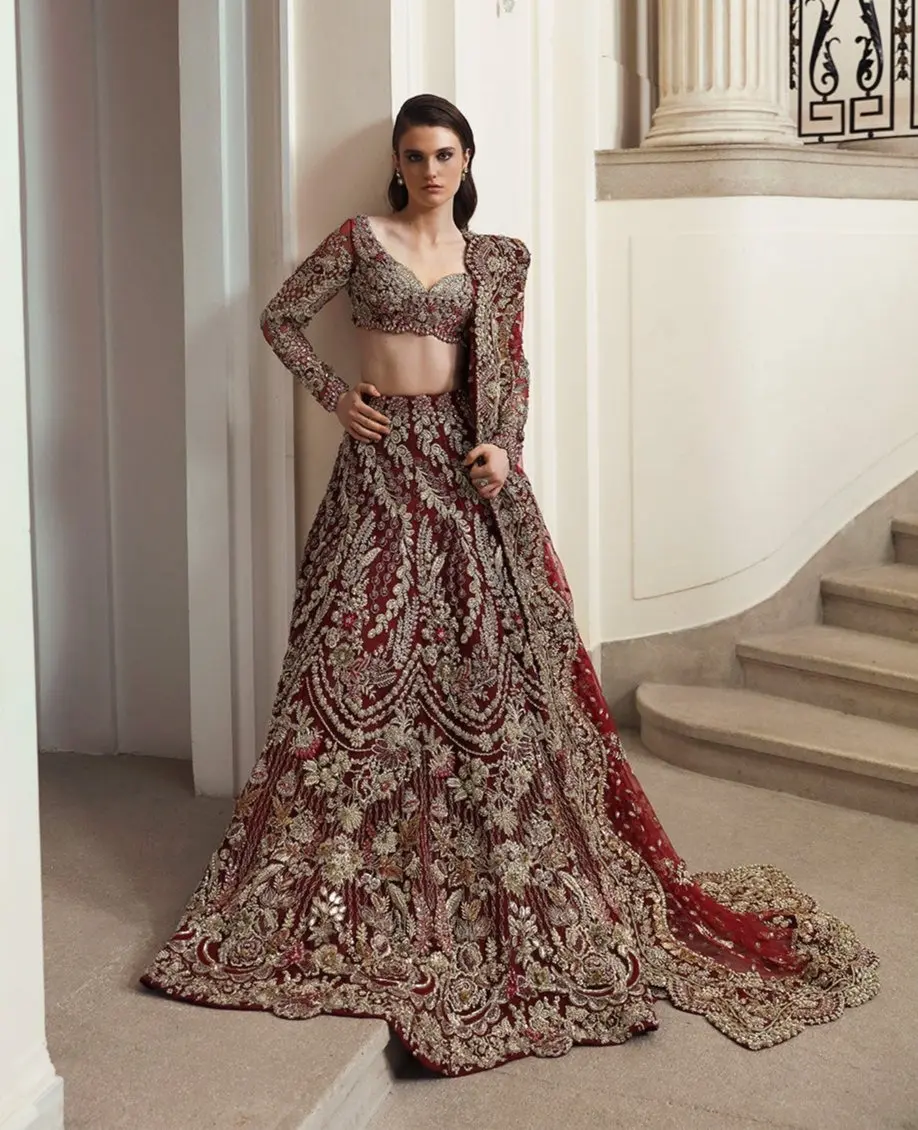
Indian wedding Wear are known worldwide for their grandeur, vibrant rituals, and deep cultural significance. Indian wedding attire, which reflects tradition, heritage, and personal style, is at the center of these celebrations. Every ceremony, from pre-wedding events to the final reception, demands a distinct outfit that aligns with customs while allowing room for modern fashion sensibilities.
Whether you are a bride, groom, or guest, understanding Indian wedding wear helps you dress appropriately and confidently for every celebration. This guide explores traditional outfits, regional influences, modern trends, and styling tips to help you make the right fashion choices for Indian weddings.
The Cultural Importance of Indian Wedding Wear
Indian wedding attire is about more than just fashion. It has symbolic associations with emotions, family traditions, and rituals. Colors, fabrics, embroidery, and jewellery often represent prosperity, love, purity, and new beginnings. Over generations, Indian wedding wear has evolved, blending timeless traditions with contemporary designs, making it both meaningful and stylish.
Each wedding function has a purpose, and the attire worn during these ceremonies reflects its significance. Because of this, dressing appropriately for an Indian wedding is essential for both respecting traditions and enhancing the celebration as a whole.
Traditional Indian Wedding Wear for Brides
Bridal Indian wedding wear is the highlight of any wedding celebration. Designed to be luxurious and eye-catching, bridal outfits vary based on region, culture, and personal taste.
Lehenga Choli
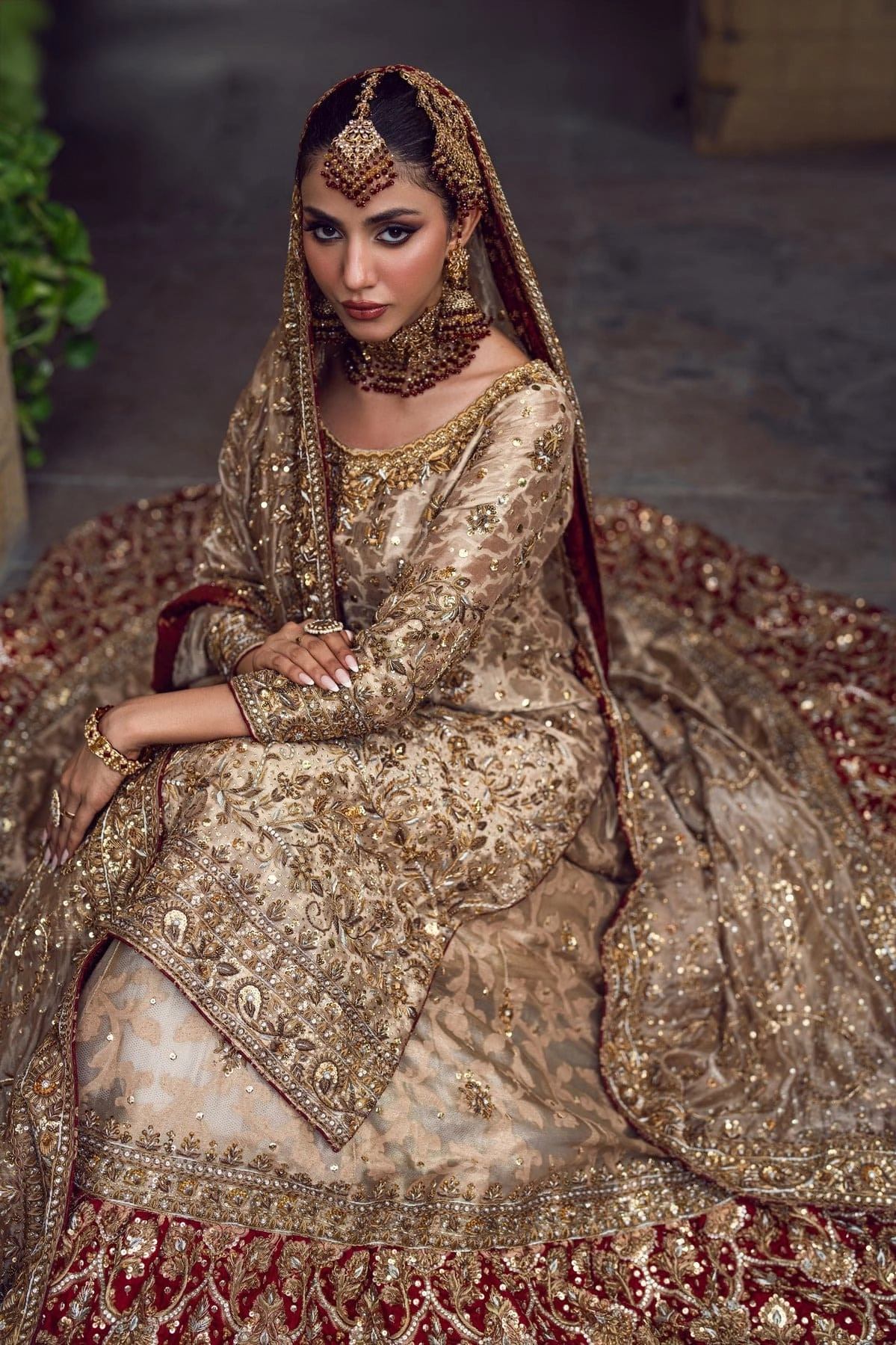
One of the most widely worn bridal garments in India, particularly in North India, is the Lehenga choli. This three-piece outfit includes a flared skirt, a fitted blouse, and a dupatta. Lehengas are ideal for the wedding day because they are frequently embellished with heavy embroidery, zari work, sequins, and beads. While maintaining traditional elements, contemporary brides are also experimenting with pastel lehengas, floral embroidery, and minimal designs.
Designer Wedding Sarees
Sarees have a long history in Indian wedding attire. Brides frequently choose Kanjeevaram, Banarasi, Paithani, or Patola silk sarees from South India and Bengal. The rich textures, vibrant colors, and intricate weaving techniques that have been passed down through the generations make these sarees famous. Paired with traditional jewellery and classic draping styles, sarees offer elegance and cultural authenticity.
Anarkali Suits
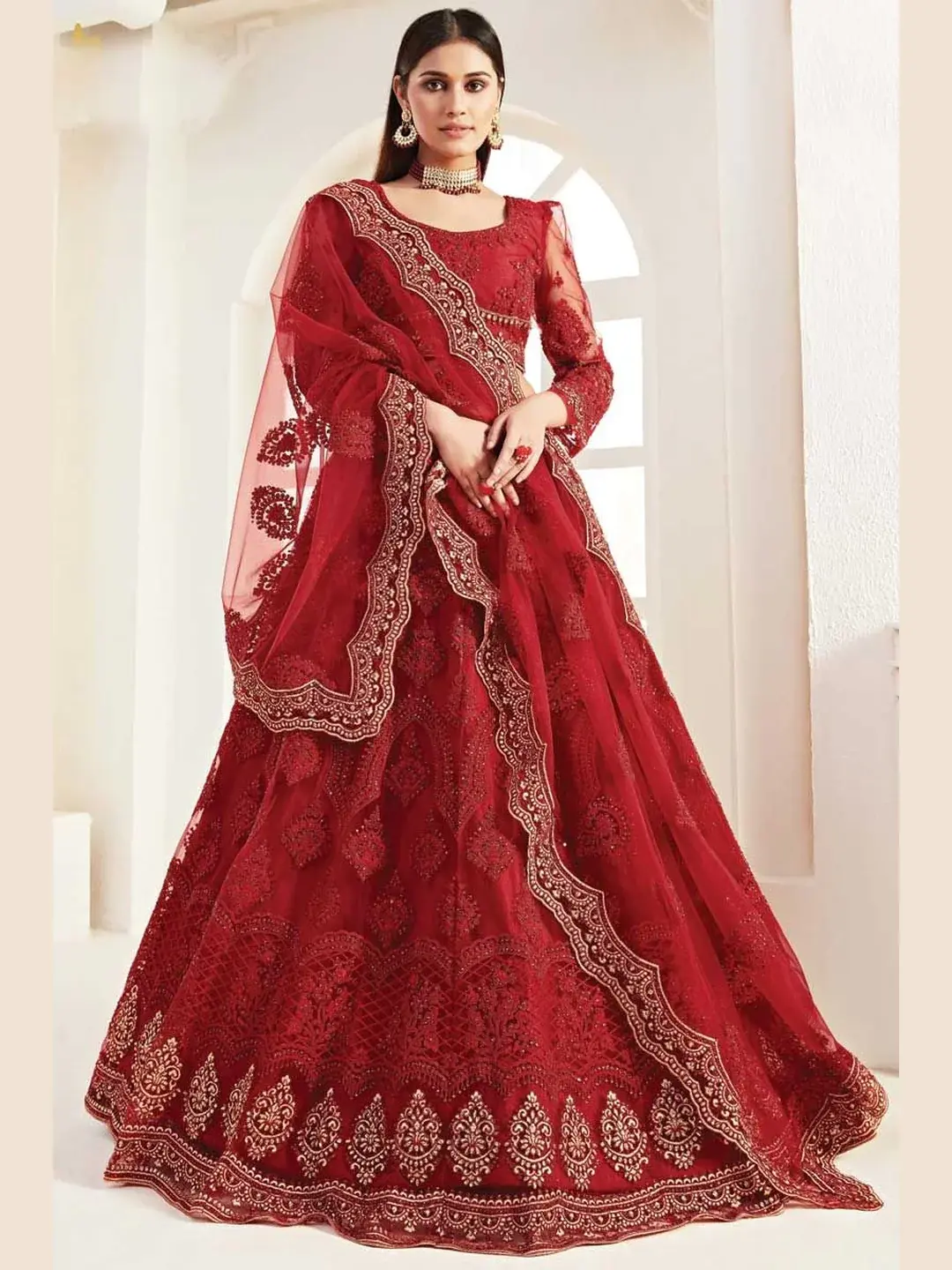
For pre-wedding events like Mehndi and Chooda, as well as post-wedding celebrations, Anarkali suits are an elegant option. Comfort is provided by these floor-length outfits while still maintaining a regal appearance. With flowing silhouettes and delicate embellishments, Anarkalis are ideal for brides who want a sophisticated yet effortless appearance.
Sharara and Gharara Sets
Sharara and gharara sets are particularly popular at Muslim weddings and are influenced by Mughal fashion. Featuring flared pants paired with short or long kurtas and dupattas, these outfits are rich in embroidery and detailing. They are a stunning addition to bridal Indian wedding wear, combining tradition with royal charm.
Indian Wedding Wear for Grooms
Grooms’ Indian wedding wear has evolved significantly, offering a wide range of styles that balance tradition and modern fashion.
Sherwani
The sherwani is the most iconic groom outfit in Indian weddings. Often crafted from silk, velvet, or brocade, sherwanis are heavily embroidered and paired with churidar pants or dhotis. The royal look is completed by stoles, turbans, and mojris.
Bandhgala and Indo-Western Outfits
Bandhgalas or Indo-western suits are popular choices for grooms to wear to engagement ceremonies and receptions. While still adhering to their traditional roots, these designs provide an elegant and contemporary appearance. Modern grooms who want a stylish yet cultural outfit are particularly fond of Indo-Western Indian wedding attire.
Indian Wedding Wear for Guests
Additionally, guests are crucial in bringing life and color to wedding celebrations. Choosing the right Indian wedding wear ensures you look festive without overshadowing the bride or groom. Women can opt for sarees, lehengas, salwar suits, or fusion outfits, while men can choose kurta sets, Nehru jackets, or dhoti-jacket combinations.
Designer Indian wedding wear allows guests to experiment with modern cuts, elegant embroidery, and trendy color palettes. Soft pastel colors and light fabrics are best for daytime events, whereas evening events call for brighter colors and bold outfits.
Regional Influence on Indian Wedding Wear
India’s cultural diversity is beautifully reflected in Wedding across different regions.
North Indian Weddings
Lehengas in the colors red or maroon are worn by North Indian brides as a sign of love and prosperity. Most of the time, grooms wear embroidered sherwanis with turbans and stoles.
South Indian Wedding Wear
South Indian bridal Indian wedding wear often features silk Kanjeevaram sarees complemented with temple jewellery. Angavastram and white dhotis are typically worn by grooms to maintain a classic yet elegant appearance.
Bengali Weddings
Red and white Banarasi sarees, gold jewelry, and traditional makeup make Bengali brides famous. Grooms wear dhoti-kurta combinations, maintaining cultural authenticity.
Maharashtrian Weddings
Paithani sarees, green bangles, and traditional accessories define Maharashtrian bridal wedding wear. Grooms wear dhoti-kurta with a pheta (turban), reflecting regional pride.
Muslim Weddings
Muslim bridal wear often includes sharara or gharara sets with dupattas covering the head. Grooms wear embroidered caps with sherwanis or pathani suits.
Latest Trends in Indian Wedding Wear
Fashion trends continue to reshape Indian wedding wear while preserving traditional elements.
Soft Pastels and Muted Tones
Brides of today are choosing pastel hues like blush pink, mint green, and lavender instead of the traditional red. Indian wedding attire given a contemporary and elegant boost by these colors.
Minimalistic Designs
Minimal embroidery, clean silhouettes, and subtle detailing are gaining popularity. These designs are perfect for brides and guests who prefer understated elegance.
Sustainable and Ethical Fashion
Eco-friendly fabrics, handloom textiles, and heirloom jewellery are becoming an important part of weddings. Many couples now prioritize sustainability without compromising on style.
Fusion Outfits
Fusion Indian wedding attire, such as saree gowns, cape lehengas, and dhoti pants, is ideal for contemporary weddings because it combines tradition with modern fashion.
Indian Wedding Wear for Different Wedding Ceremonies
Each wedding function has a unique dress code that reflects its cultural importance.
Engagement Ceremony: Light lehengas, sarees, bandhgalas, or Indo-western outfits
Haldi Ceremony: Yellow or pastel outfits symbolizing purity and positivity
Mehndi Ceremony: Green, floral, or vibrant Indian wedding for comfort and style
Sangeet Night: Glamorous outfits with sequins, fusion gowns, and stylish sherwanis
Wedding Day: Traditional, heavily embellished bridal and groom attire
Reception: Elegant gowns, designer sarees, tuxedos, or bandhgalas
Conclusion
The Indian Wedding Wear attire worn at Indian weddings beautifully reflects culture, tradition, and advancing fashion trends. Every piece, from traditional lehengas and sarees to contemporary fusion outfits, tells a story of heritage and celebration. In addition to enhancing your appearance, dressing appropriately for each Indian wedding ceremony demonstrates respect for cultural norms.
Whether you are planning a wedding or attending one, investing in well-curated Indian wedding attire ensures that you will celebrate each moment with grace and style, resulting in lasting memories.