
Long Sleeve Bridal Dresses: Every bride has a distinct idea of what makes her special day remarkable when it comes to selecting the ideal wedding gown. Long sleeve wedding gowns have grown in popularity because to its grace, modesty, and classic charm, even if many brides prefer sleeveless or strapless styles. You’ve come to the perfect spot if you’re a bride thinking about wearing this elegant look on your wedding day. In order to help you choose the perfect dress for your ideal wedding, this comprehensive guide to long sleeve bridal gowns will lead you through everything you need to know, from the many designs available to the best ways to wear them. The Timeless Elegance of Long-Sleeve Bridal Dresses In the sea of conventional wedding gown styles, long-sleeve bridal gowns stand out for their unique beauty. They offer an unbeatable aura of grandeur with their refined, royal appearance. Long sleeve bridal gowns provide a variety of choices to fit every bride’s personality and vision, whether you’re going for a modest look, a vintage-inspired theme, or just want to be warm and comfortable on your winter wedding day. It should come as no surprise that ladies who value modesty, vintage style, or a more conventional approach to their wedding style prefer long-sleeve wedding dresses, which are frequently linked with classic elegance. They are ideal for brides who like to seem classic on their wedding day since they radiate grace and delicacy. Different Styles of Long Sleeve Bridal Dresses One of the most common materials for long-sleeved wedding gowns is lace. Lace is a perfect fabric choice for brides looking for a feminine and romantic appearance because of its delicate patterns, which provide a feeling of delicacy and refinement. Whether full or three-quarter length, lace sleeves may be utilized to create a variety of patterns, from modern, elegant to vintage-inspired. 1. Lace Long Sleeve Bridal Dresses Lace long-sleeve bridal gowns can be made with solid lace for a more modest appearance or transparent lace, which lets the flesh gently show through. In order to create a sophisticated, vintage-inspired look, many brides choose to add lace trimming to the dress’s back, sleeves, or bodice. 2. Satin Long Sleeve Bridal Dresses Satin long-sleeve bridal gowns may be the ideal choice if you want your wedding day to seem elegant, traditional, and opulent. Satin is perfect for a glitzy and formal wedding since it has a smooth, glossy sheen that feels luxurious. With its clean lines and figure-flattering form, a satin bridal gown with long sleeves may be simple yet sophisticated. Satin gowns may be combined with contemporary elements like an open back or deep-V neckline to give them a more modern vibe for brides. 3. Bohemian Long Sleeve Bridal Dresses Bohemian long-sleeve wedding gowns are a great option for brides who like to project an air of freedom and relaxation. These gowns frequently have billowy, loose sleeves and flowing materials like chiffon, giving them a carefree yet sophisticated look. Long-sleeve bridal gowns in the bohemian style sometimes have lace, fringe, or flower embroidery, giving them a whimsical and romantic appearance. A boho long-sleeve dress might be ideal for an outdoor or rustic wedding. 4. Modest Long Sleeve Bridal Dresses Brides who want a modest yet elegant alternative for their wedding day frequently choose long-sleeved bridal gowns. The arms are cover in a modest gown, which is typically accompanied by longer hems and higher necklines for complete covering. Designers have been incorporating modest trends into wedding fashion in recent years. Resulting in gorgeous long-sleeved dresses that provide both flair and coverage. From simple A-line forms to more intricate, sophisticated designs with beading, lace, or silk. These dresses are available in a variety of styles. For brides who like to feel attractive and at ease without compromising elegance. A modest long-sleeve gown is the ideal option. 5. Illusion Sleeves and Sheer Long Sleeves Sheer long sleeves and illusion sleeves are popular choices for brides who like to give their wedding gown a hint of refinement and modernity. These sleeves have a modest yet beautiful appearance since they are compose of fragile materials like tulle or chiffon. While sheer long sleeves provide an exquisite appearance with a bit of flesh showing through, illusion sleeves give the impression of having no sleeves at all. For brides who like to combine tradition and contemporary design, illusion and sheer long sleeves are ideal since they provide the elegance of long sleeves without being overly bulky or constrictive. Choosing the Right Fabric for Your Long-Sleeve Bridal Dress Your long-sleeve wedding dress’s overall appearance and texture will be greatly influence by the fabric you select. The following are some of the most well-liked materials for bridal gowns with long sleeves: The weather, the wedding season, and the general atmosphere. You like to create should all taken into account when selecting the cloth. While lighter materials like chiffon or organza are ideal for summer festivities. Heavier materials like satin or silk are great for winter weddings. Accessories to Complement Long Sleeve Bridal Dresses Although long-sleeved wedding gowns are inherently classy and attractive, the correct accessories may further enhance your bridal appearance. These are some suggestions for accessories to go with your long-sleeved bridal gown. Styling Tips for Long-Sleeve Bridal Dresses Why Choose NameeraBridal for Your Long Sleeve Wedding Dress? At NameeraBridal, we recognize that each bride is different and should have a wedding gown that expresses her individual taste. Whether you’re searching for something classic, trendy, boho, or modest. Our selection of long-sleeve bridal gowns has carefully chosen to provide a range of possibilities for every kind of bride. The best materials are used to create each gown, which intend to accentuate your inherent beauty and provide you with the comfort you require on your special day. As you walk down the aisle, we think your wedding gown should not only make you look amazing. But also gives you a sense of elegance and confidence. Our knowledgeable staff is here to
Indian Bridal Outfits: Colors, Fabrics, and Styles Brides are Loving in 2026
Indian Bridal Outfits: Indian weddings continue to evolve every year. Yet, the charm of traditional attire remains timeless. In 2026, brides are embracing a beautiful balance between heritage and modern style. Indian bridal outfits now reflect personal stories, cultural roots, and contemporary fashion choices. From bold colors to sustainable fabrics, bridal fashion is moving in exciting directions. At the same time, comfort and individuality are becoming just as important as grandeur. This year’s trends show that brides want outfits that feel meaningful, stylish, and unforgettable. Let’s explore the colors, fabrics, and styles that brides are loving in 2026. The Evolution of Indian Bridal Outfits Indian bridal outfits have always symbolized tradition and celebration. However, today’s brides are redefining the rules. While classic silhouettes still hold value, modern twists are everywhere. Moreover, global fashion influences are shaping bridal choices. Designers now experiment with cuts, textures, and styling. As a result, brides enjoy more freedom than ever before. Most importantly, personal expression leads the way. Brides no longer follow trends blindly. Instead, they choose what reflects their personality and comfort. Trending Colors in Indian Bridal Outfits for 2026 Color plays a powerful role in bridal fashion. In 2026, the palette feels fresh yet rooted in tradition. 1. Soft Pastels with a Bold Touch Pastel shades continue to dominate Indian bridal outfits. Blush pink, powder blue, mint green, and lavender remain popular. However, brides now add bold accents to elevate these soft tones. For example, pastel lehengas paired with deep maroon or emerald dupattas create stunning contrast. Gold embroidery also enhances the elegance. As a result, outfits look delicate yet striking. 2. Classic Red with Modern Undertones Red never goes out of style. Still, 2026 introduces new versions of this classic shade. Brides now prefer wine red, rust red, and cherry red. These tones feel richer and more refined. Additionally, designers blend red with metallic threads or muted borders. This approach keeps the look traditional while adding a modern edge. Therefore, red continues to rule Indian bridal outfits in a refreshed way. 3. Jewel Tones Making a Strong Comeback Jewel tones are gaining massive popularity this year. Emerald green, royal blue, deep purple, and sapphire are top choices. These colors photograph beautifully. Plus, they suit evening ceremonies perfectly. When paired with heavy embroidery, jewel tones look regal and luxurious. Consequently, brides who want a bold statement are choosing these shades confidently. 4. Earthy and Neutral Shades Another rising trend involves earthy hues. Beige, ivory, champagne, and mocha are now bridal favorites. These shades offer elegance and versatility. They also allow jewelry and embroidery to stand out more clearly. Moreover, neutral colors work well for daytime weddings and intimate ceremonies. Hence, minimalist brides love this trend. Fabrics Brides Are Choosing in 2026 Fabric choice defines comfort and overall look. In 2026, brides focus on quality, sustainability, and ease of movement. 1. Sustainable and Eco-Friendly Fabrics Sustainability plays a major role in modern weddings. Brides now prefer organic silks, handwoven fabrics, and natural dyes. Khadi silk, raw silk, and eco-friendly chiffon are trending. These fabrics feel luxurious without harming the environment. As a result, Indian bridal outfits now reflect conscious fashion choices. 2. Lightweight Silks for Comfort Silk remains a bridal favorite. However, heavy silks are slowly making way for lighter versions. Tussar silk, Chanderi silk, and Banarasi silk blends are popular. These fabrics drape beautifully and feel comfortable during long ceremonies. Therefore, brides enjoy elegance without sacrificing ease. 3. Sheer Fabrics with Detailed Work Organza, net, and tulle continue to dominate bridal fashion. These fabrics add softness and romance to outfits. Designers pair sheer layers with detailed embroidery or subtle shimmer. This combination creates depth without heaviness. Consequently, brides achieve a graceful and dreamy look. 4. Velvet for Winter Weddings For winter weddings, velvet remains unmatched. In 2026, velvet appears in richer shades and cleaner designs. Deep maroon, emerald, and navy velvet lehengas look royal. When styled correctly, they offer warmth and glamour. Thus, velvet stays relevant for seasonal Indian bridal outfits. Popular Styles of Indian Bridal Outfits in 2026 Style trends in 2026 focus on versatility and personalization. Brides want outfits that feel unique and functional. 1. Lehenga with Modern Silhouettes The Lehenga remains the most loved bridal outfit. However, silhouettes are changing. High-waisted skirts, layered panels, and structured blouses are trending. Corset-style cholis and off-shoulder designs add a contemporary feel. As a result, traditional lehengas now look fresh and fashion-forward. 2. Sarees with a Contemporary Twist Bridal sarees are making a strong comeback. Yet, styling has evolved significantly. Pre-draped sarees, ruffled pallus, and belted drapes are popular choices. Brides also experiment with blouse designs like capes and jackets. Therefore, sarees feel modern while preserving cultural charm. 3. Sharara and Gharara Sets Sharara and gharara outfits are becoming bridal favorites. These styles offer comfort and grandeur together. Heavy embroidery, long kurtas, and statement dupattas define this trend. Brides love these sets for nikah ceremonies and receptions. Hence, they add variety to Indian bridal outfits. 4. Anarkali Revival Anarkali suits are returning in a big way. Floor-length designs with dramatic flares are trending. Designers use rich fabrics and intricate detailing to elevate these outfits. Additionally, Anarkalis allow easy movement. As a result, brides seeking elegance and comfort choose this style. Regional Influences Shaping Bridal Fashion India’s diverse culture strongly influences bridal fashion. In 2026, regional styles gain wider recognition. South Indian brides embrace silk sarees with temple jewelry. Meanwhile, Rajasthan and Gujarati brides favor vibrant colors and mirror work. Similarly, Bengali brides continue to love red and white sarees. Punjabi brides, on the other hand, opt for bold lehengas with heavy embroidery. Thus, Indian bridal outfits celebrate diversity beautifully. Embellishments Brides Love in 2026 Details matter more than ever. This year, brides prefer refined embellishments over excessive work. Zardozi, resham, and aari embroidery dominate. Pearl detailing and subtle sequins also remain popular. Moreover, hand-embroidered motifs add a personal touch. Therefore, craftsmanship takes center stage. Styling Trends Completing the Look Bridal outfits feel incomplete
Indian Bridal Sarees for Weddings: Unveiling the Ultimate Wedding Look
Few garments rival the Indian bridal saree for weddings in terms of elegance, grace, and cultural significance. The saree, a true representation of Indian culture, has been the dress of choice for brides for centuries. It gives them an iconic, timeless appearance that oozes class and beauty. Whether it’s a traditional affair or a modern celebration, an Indian bridal saree never fails to make a statement. In this blog post, we’ll take you through the various aspects of the Indian bridal saree for weddings and offer tips on choosing the perfect one for your special day. You’ll find everything you need to know about fabrics, colors, designs, and the most recent fashions to help you make an educated choice. In addition, at the conclusion, we will introduce you to NameeraBridal, a company that offers the finest collection of bridal sarees to help you achieve your ideal wedding look. The Legacy of Indian Bridal Sarees The Indian bridal saree is more than just a dress for weddings; it also represents tradition, culture, and new beginnings. Over the centuries, the saree has undergone countless transformations, but its essential role in the wedding ceremony remains unchanged. In many regions, the bridal saree is seen as an auspicious garment, believed to bring prosperity, fertility, and blessings to the bride as she begins a new chapter in her life. A wedding saree is often intricately designed, with detailed embroidery, ornate patterns, and luxurious fabrics, making it a work of art. The saree’s deep cultural roots are reflected in its significance, and no matter where it is worn, the bridal saree is an iconic garment that marks the occasion of marriage. Choosing the Perfect Indian Bridal Saree for Weddings The key to selecting the Indian bridal saree for weddings is understanding your own style preferences and the overall theme of your wedding. Here are some important factors to consider when choosing the right bridal saree: 1. Fabric Choices for Bridal Sarees The fabric of the saree plays a significant role in its appearance and comfort. For bridal sarees, the following fabrics are ideal: Satin: Satin sarees look sleek and shiny, making them ideal for a glamorous bridal look. They often come with subtle embellishments or embroidery and provide a luxurious feel. Silk: Silk is a quintessential choice for Indian bridal sarees due to its rich texture and glossy finish. Classic options such as Kanjeevaram and Banarasi silk sarees are perfect for traditional weddings and are often adorned with intricate gold zari work. Georgette: For a lighter, more-flowy option, georgette is a great fabric choice. It drapes effortlessly and offers a modern twist, often featuring sequins, stones, or embroidery for added glam. Chiffon: Chiffon is the ideal fabric if you want something light and airy. Soft, graceful, and lightweight, chiffon bridal sarees are ideal for brides who want to maintain a sense of femininity without sacrificing elegance. 2. Bridal Saree Colors: Choosing the Right Hue When picking an Indian bridal saree for a wedding, color is extremely important. Red, which represents love, passion, and wealth, has always been the preferred hue for wedding sarees. To fit their own style, modern brides are experimenting with a wide range of hues. Here are a few well-liked choices: Emerald Green: Green is seen as a lucky hue in many cultures, signifying fertility and fresh starts. Bridal sarees in emerald green are eye-catching and create a daring yet refined statement. Red: Red, the most conventional option, stands for love, fertility, and wealth. Intricate gold or silver embroidery is frequently added to red wedding sarees to create a traditional bridal appearance. Gold: Gold wedding sarees radiate elegance and grandeur and are a sign of prosperity and heavenly favors. For a regal and elegant appearance, gold is frequently paired with deep crimson, maroon, or green hues. Pastels: Brides who want a more understated and contemporary style are increasingly choosing light pastel hues like lavender, mint green, and blush pink. These hues are ideal for small-scale or vacation weddings since they are delicate and feminine. Maroon and Burgundy: Bridal sarees with rich, deep shades of crimson, maroon, and burgundy look opulent and sophisticated; the pattern is frequently enhanced with gold or silver embroidery. 3. Designs and Embellishments In order to create a unique style, the design of your Indian bridal saree is crucial. Bridal sarees frequently have elaborate patterns and exquisite embellishments created by traditional needlework, stonework, and zari decorations. Among the common design components are: Bandhej: Bandhej sarees, prevalent in Gujarat and Rajasthan, are renowned for their tie-dyeing method. These sarees are distinctive and culturally significant because to their vibrant, wave-like designs. Zari Work: The term “zari” describes the gold or silver thread used for intricate needlework. Sarees from Banarasi and Kanjeevaram are renowned for their beautiful zari embroidery, which gives the garment a regal appearance. Hand-Embroidery: Many bridal sarees include hand-embroidered motifs, like Delhi’s Zardozi or Lucknow’s Chikan, which give exquisite patterns that accentuate the bride’s grace. Sequins and Stonework: Stonework and sequin decorations are ideal for a more modern bridal style. These sarees provide a dazzling look that is perfect for an evening wedding since they catch the light so brilliantly. Modern Trends in Indian Bridal Sarees While traditional wedding sarees are still a popular option, contemporary brides are searching for more avant-garde looks that integrate current fashions. These are some new trends in bridal sarees: Styling Your Indian Bridal Saree for Weddings After selecting your Indian bridal saree for a wedding, it’s crucial to finish the ensemble with the appropriate accessories. Here are some style pointers: NameeraBridal: Your Ultimate Destination for Indian Bridal Sarees In the world of bridal fashion, NameeraBridal stands out when it comes to selecting the Indian bridal saree for weddings. We provide a carefully chosen selection of the best bridal sarees that combine tradition and modernity at NameeraBridal. NameeraBridal offers something for every bride, whether you’re searching for a modern pre-draped saree, an opulent Banarasi saree, or a traditional red Kanjivaram saree. Our bridal sarees
Indian Wedding Dresses Women: Traditional Hindu Wedding Attire for the Bride & Groom
Indian weddings are a grand celebration of tradition, culture, and sacred rituals. Among all the elements that make a Hindu wedding memorable, clothing holds a very special place. From intricate fabrics to symbolic colors, the Indian wedding dresses women wear reflect heritage, family values, and timeless beauty. These outfits are more than just clothes; they are cultural expressions that have been passed down through the generations. The groom’s attire, like the bride’s, is a representation of tradition and enhances the wedding’s overall aesthetic. This blog looks at traditional Hindu wedding attire, with a focus on Indian wedding dresses that women choose for their big day. It also looks at groom outfits, regional influences, colors, fabrics, and changing modern trends. Cultural Significance of Indian Wedding Dresses Women Wear Every ritual in a Hindu wedding has significance, and the attire worn during these rituals is highly symbolic. Indian wedding dresses that women select often influenced by religious beliefs, family customs, and regional traditions. Prosperity, purity, fertility, and the beginning of a new life chapter are all represented by bridal attire. In most families, the bride and groom carefully consult with family elders and astrologers before selecting the wedding dress. This reflects how deeply wedding attire is connect to tradition. Many brides make their wedding gowns into emotional mementos that they can treasure for the rest of their lives. Traditional Hindu Bridal Sarees and Their Timeless Charm One of the most elegant and traditional Indian wedding dresses that women wear at Hindu weddings is the saree. Worn for centuries, bridal sarees represent grace, femininity, and cultural pride. Silk sarees, in particular, are considere auspicious and are widely worn across different regions of India. Banarasi sarees popular in North India and are known for their rich gold zari work. In South India, brides prefer Kanjeevaram silk sarees with bold colors and temple-inspired designs. Baluchari and red-and-white sarees are traditional attire for wedding ceremonies in eastern states. The bridal saree remains a symbol of tradition and dignity despite regional differences. Bridal Lehengas as Popular Indian Wedding Dresses for Women The Lehenga has emerged as one of the most popular Indian wedding dresses among women for contemporary Hindu ceremonies. Lehengas are still traditional, but they can be style in a variety of ways and are comfortable. Brides often choose heavily embroidered lehengas for the main wedding ceremony due to their regal appearance. The bride’s overall appearance is enhance by the lehengas, which are typically adorned with hand embroidery, intricate patterns, and luxurious fabrics. The flowing silhouette and elaborate craftsmanship make lehengas ideal for grand wedding celebrations. Many brides now customize their lehengas to blend traditional motifs with contemporary design elements. Anarkali Suits in Hindu Bridal Fashion As elegant Indian wedding dresses that women wear to wedding-related events, anarkali suits have gained popularity. The long, flowing silhouettes of these outfits give the appearance of royalty and grace. Anarkalis are especially suitable for brides who prefer comfort without compromising on tradition. Often worn during engagement ceremonies, sangeet functions, or wedding receptions. Anarkali suits offer a refined alternative to heavier bridal outfits. They are a timeless addition to Hindu bridal fashion due to their adaptability. Importance of Color in Indian Wedding Dresses Women Choose Color is an important part of Hindu wedding attire. Red has traditionally been the most favored color for Indian wedding dresses women, as it symbolizes love, prosperity, and marital bliss. However, modern brides are now embracing a wider range of colors while still honoring tradition. The colors pink, peach, gold, and maroon are frequently found in contemporary bridal wear. Each color has cultural significance and is frequently chosen based on family customs and regional beliefs. Indian bridal fashion continues to be dominated by vibrant hues, even as fashions change. Importance of Color in Indian Wedding Dresses Women Choose Color is an important part of Hindu wedding attire. Red has traditionally been the most favored color for Indian wedding dresses women. As it symbolizes love, prosperity, and marital bliss. However, modern brides are now embracing a wider range of colors while still honoring tradition. The colors pink, peach, gold, and maroon are frequently found in contemporary bridal wear. Each color has cultural significance and is frequently chosen base on family customs and regional beliefs. Indian bridal fashion continues to be dominate by vibrant hues, even as fashions change. Fabrics That Define Indian Wedding Dresses Women Wear The use of opulent fabrics enhances the richness of women’s Indian wedding dresses. Because it is regard as pure and auspicious, silk remains the most traditional and preferred fabric for Hindu weddings. Velvet and brocade are often chose for winter weddings, adding a royal touch to bridal outfits. Lightweight fabrics such as georgette, chiffon, and organza are becoming popular for modern brides who want elegance with ease of movement. These fabrics allow intricate embroidery while ensuring comfort during long wedding ceremonies. Traditional Groom Attire in Hindu Weddings While the bride’s attire often takes center stage, the groom’s outfit plays an equally important role in completing the wedding look. Traditional groom attire is design to complement Indian wedding dresses for women and maintain cultural harmony. The most popular attire for Hindu grooms is the sherwani. These long coats are usually craft from rich fabrics and detailed embroidery, creating a majestic appearance. Grooms in some places wear dhoti-kurta outfits, especially during religious ceremonies, as a symbol of devotion and simplicity. Regional Influence on Indian Wedding Dresses Women Wear India’s wedding fashion beautifully reflects its cultural diversity. Women’s Indian wedding dresses vary widely from region to region, but they all share a strong connection to tradition. North Indian brides often wear embroidered lehengas or Banarasi sarees. South Indian brides prefer silk sarees paired with traditional gold jewelry. In western India, brides are know for vibrant colors and distinctive draping styles. Whereas eastern Indian bridal wear is characterize by simplicity and symbolic patterns. These regional influences add depth and uniqueness to Indian bridal fashion. Bridal Jewelry and Its Role in Completing the Look
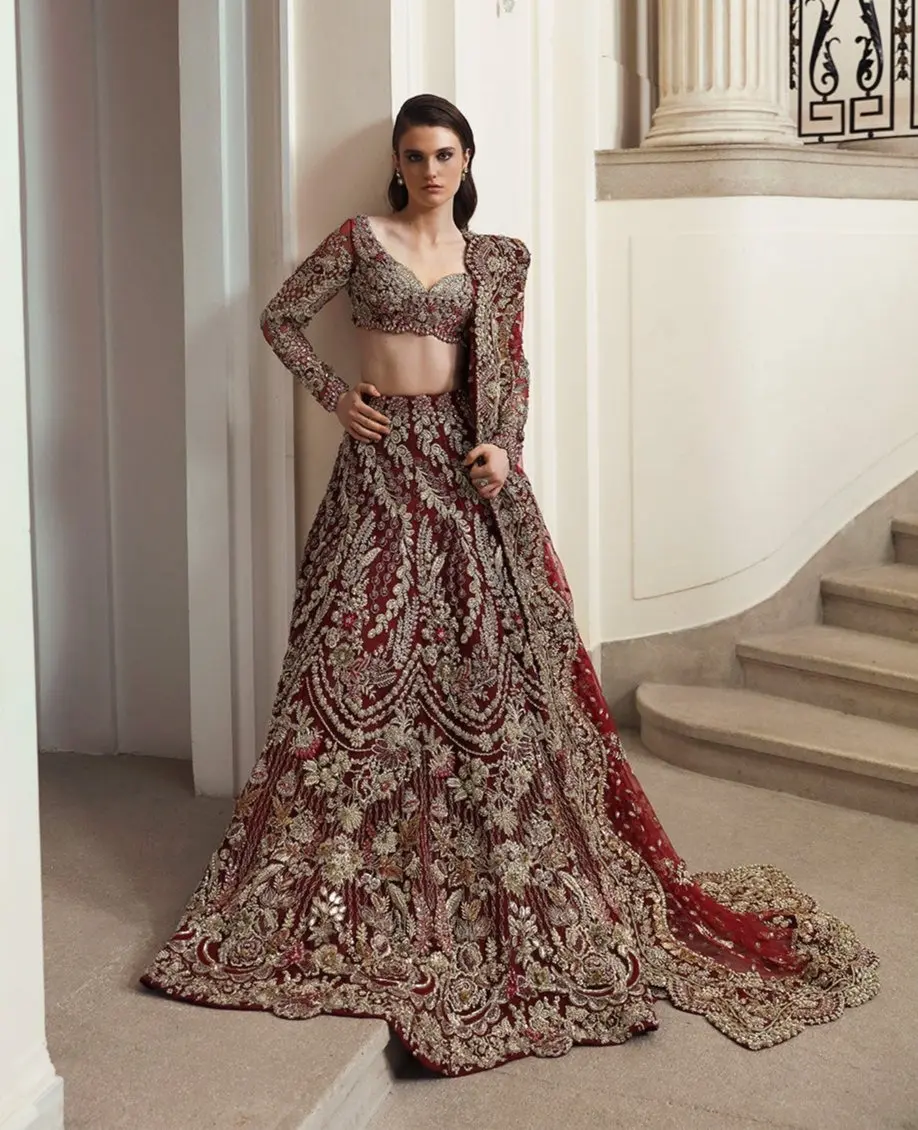
Indian Wedding Wear: Complete Guide Traditional Outfits, Trends and Styling Tips
Indian wedding Wear are known worldwide for their grandeur, vibrant rituals, and deep cultural significance. Indian wedding attire, which reflects tradition, heritage, and personal style, is at the center of these celebrations. Every ceremony, from pre-wedding events to the final reception, demands a distinct outfit that aligns with customs while allowing room for modern fashion sensibilities. Whether you are a bride, groom, or guest, understanding Indian wedding wear helps you dress appropriately and confidently for every celebration. This guide explores traditional outfits, regional influences, modern trends, and styling tips to help you make the right fashion choices for Indian weddings. The Cultural Importance of Indian Wedding Wear Indian wedding attire is about more than just fashion. It has symbolic associations with emotions, family traditions, and rituals. Colors, fabrics, embroidery, and jewellery often represent prosperity, love, purity, and new beginnings. Over generations, Indian wedding wear has evolved, blending timeless traditions with contemporary designs, making it both meaningful and stylish. Each wedding function has a purpose, and the attire worn during these ceremonies reflects its significance. Because of this, dressing appropriately for an Indian wedding is essential for both respecting traditions and enhancing the celebration as a whole. Traditional Indian Wedding Wear for Brides Bridal Indian wedding wear is the highlight of any wedding celebration. Designed to be luxurious and eye-catching, bridal outfits vary based on region, culture, and personal taste. Lehenga Choli One of the most widely worn bridal garments in India, particularly in North India, is the Lehenga choli. This three-piece outfit includes a flared skirt, a fitted blouse, and a dupatta. Lehengas are ideal for the wedding day because they are frequently embellished with heavy embroidery, zari work, sequins, and beads. While maintaining traditional elements, contemporary brides are also experimenting with pastel lehengas, floral embroidery, and minimal designs. Designer Wedding Sarees Sarees have a long history in Indian wedding attire. Brides frequently choose Kanjeevaram, Banarasi, Paithani, or Patola silk sarees from South India and Bengal. The rich textures, vibrant colors, and intricate weaving techniques that have been passed down through the generations make these sarees famous. Paired with traditional jewellery and classic draping styles, sarees offer elegance and cultural authenticity. Anarkali Suits For pre-wedding events like Mehndi and Chooda, as well as post-wedding celebrations, Anarkali suits are an elegant option. Comfort is provided by these floor-length outfits while still maintaining a regal appearance. With flowing silhouettes and delicate embellishments, Anarkalis are ideal for brides who want a sophisticated yet effortless appearance. Sharara and Gharara Sets Sharara and gharara sets are particularly popular at Muslim weddings and are influenced by Mughal fashion. Featuring flared pants paired with short or long kurtas and dupattas, these outfits are rich in embroidery and detailing. They are a stunning addition to bridal Indian wedding wear, combining tradition with royal charm. Indian Wedding Wear for Grooms Grooms’ Indian wedding wear has evolved significantly, offering a wide range of styles that balance tradition and modern fashion. Sherwani The sherwani is the most iconic groom outfit in Indian weddings. Often crafted from silk, velvet, or brocade, sherwanis are heavily embroidered and paired with churidar pants or dhotis. The royal look is completed by stoles, turbans, and mojris. Bandhgala and Indo-Western Outfits Bandhgalas or Indo-western suits are popular choices for grooms to wear to engagement ceremonies and receptions. While still adhering to their traditional roots, these designs provide an elegant and contemporary appearance. Modern grooms who want a stylish yet cultural outfit are particularly fond of Indo-Western Indian wedding attire. Indian Wedding Wear for Guests Additionally, guests are crucial in bringing life and color to wedding celebrations. Choosing the right Indian wedding wear ensures you look festive without overshadowing the bride or groom. Women can opt for sarees, lehengas, salwar suits, or fusion outfits, while men can choose kurta sets, Nehru jackets, or dhoti-jacket combinations. Designer Indian wedding wear allows guests to experiment with modern cuts, elegant embroidery, and trendy color palettes. Soft pastel colors and light fabrics are best for daytime events, whereas evening events call for brighter colors and bold outfits. Regional Influence on Indian Wedding Wear India’s cultural diversity is beautifully reflected in Wedding across different regions. North Indian Weddings Lehengas in the colors red or maroon are worn by North Indian brides as a sign of love and prosperity. Most of the time, grooms wear embroidered sherwanis with turbans and stoles. South Indian Wedding Wear South Indian bridal Indian wedding wear often features silk Kanjeevaram sarees complemented with temple jewellery. Angavastram and white dhotis are typically worn by grooms to maintain a classic yet elegant appearance. Bengali Weddings Red and white Banarasi sarees, gold jewelry, and traditional makeup make Bengali brides famous. Grooms wear dhoti-kurta combinations, maintaining cultural authenticity. Maharashtrian Weddings Paithani sarees, green bangles, and traditional accessories define Maharashtrian bridal wedding wear. Grooms wear dhoti-kurta with a pheta (turban), reflecting regional pride. Muslim Weddings Muslim bridal wear often includes sharara or gharara sets with dupattas covering the head. Grooms wear embroidered caps with sherwanis or pathani suits. Latest Trends in Indian Wedding Wear Fashion trends continue to reshape Indian wedding wear while preserving traditional elements. Soft Pastels and Muted Tones Brides of today are choosing pastel hues like blush pink, mint green, and lavender instead of the traditional red. Indian wedding attire given a contemporary and elegant boost by these colors. Minimalistic Designs Minimal embroidery, clean silhouettes, and subtle detailing are gaining popularity. These designs are perfect for brides and guests who prefer understated elegance. Sustainable and Ethical Fashion Eco-friendly fabrics, handloom textiles, and heirloom jewellery are becoming an important part of weddings. Many couples now prioritize sustainability without compromising on style. Fusion Outfits Fusion Indian wedding attire, such as saree gowns, cape lehengas, and dhoti pants, is ideal for contemporary weddings because it combines tradition with modern fashion. Indian Wedding Wear for Different Wedding Ceremonies Each wedding function has a unique dress code that reflects its cultural importance. Engagement Ceremony: Light lehengas, sarees, bandhgalas, or Indo-western outfits Haldi Ceremony: Yellow or